The Support Socket: How Resident Services Coordinators at PMI Connect, Stabilize and Solve
Posted by: Preservation Management, Inc. in Uncategorized on February 3, 2026
The Resident Services Coordinator (RSC) team serves as the support socket within our communities by connecting people, stabilizing housing, and solving problems before they become a crisis. Their work touches every level of operations, from resident wellbeing to long-term property success, making the RSC program an essential part of how we serve our communities.
Connector: Building Trust and Bridging Gaps
As connectors, RSC’s bridge the gap between residents, the site team, and community resources. Residents often feel overwhelmed or hesitant to approach property management when facing sensitive issues such as rent challenges, housekeeping concerns, or personal hardships. RSC’s provide a trusted, approachable presence that encourages open communication and builds strong relationships.
RSC’s also connect residents with vital resources, such as financial assistance programs, social services, educational opportunities, and local support agencies that may assist with maintaining housing. Through move in orientations, lease education, and ongoing resident engagement, RSC’s ensure individuals understand expectations while feeling supported rather than judged. This connection strengthens trust and fosters healthier, more engaged communities.
Stabilizer: Supporting Housing Longevity
RSC’s act as stabilizers by helping residents remain a part of the community by identifying challenges early on, such as unpaid rent, maintenance concerns, or resident conflicts. RSC’s can intervene before situations escalate.
Their proactive approach reduces evictions, minimizes unit turnover, and supports property stability. RSC’s assist residents with budgeting support, housekeeping education, safety planning, and preparation for services such as extermination or inspections. For residents who are aging in place or managing health or cognitive challenges, consistent RSC engagement provides reassurance, routine, and critical onsite support.
This stabilizing role allows property management teams to focus on operational priorities like rent collection, maintenance, recertifications, and asset protection. All while knowing residents are receiving the individualized support they need.
Problem Solver: Proactive, Collaborative Solutions
As problem solvers, RSC’s collaborate closely with site teams to address resident issues thoughtfully and effectively. Rather than reacting to crises, RSC’s help uncover the root causes behind behaviors such as nonpayment, clutter, or conflict and work alongside residents to develop realistic solutions.
RSC’s document progress and interventions in detailed case notes, providing valuable insight that can support compliance, legal processes, or mediation efforts when needed. Acting as advocates for both residents and management, RSC’s often help resolve concerns before they escalate to formal complaints or hotline calls.
Consistent communication, shared best practices, and access to state specific resource guides strengthen this problem solving approach, especially in regions where resources vary widely.
A Team That Strengthens the Socket
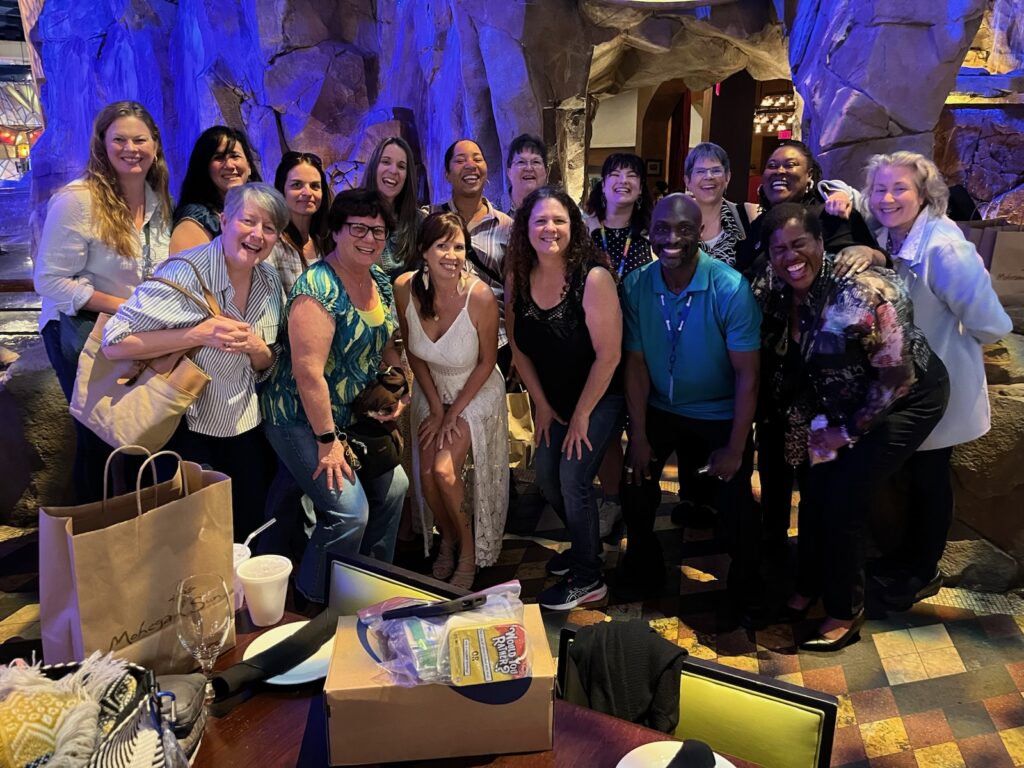
The strength of the support socket lies not only in individual RSC’s, but in the team itself. Regular team connection meetings, shared digital platforms, professional associations, and annual conferences create space for collaboration, learning, and growth. These touchpoints allow RSC’s across the country to exchange ideas, adapt strategies to local needs, and continually improve their work.
Equally important is the culture of support within the team. RSC’s step in for one another, celebrate successes, and provide encouragement during challenging times. This sense of belonging reinforces resilience and ensures the support socket remains strong.